

Project Overview
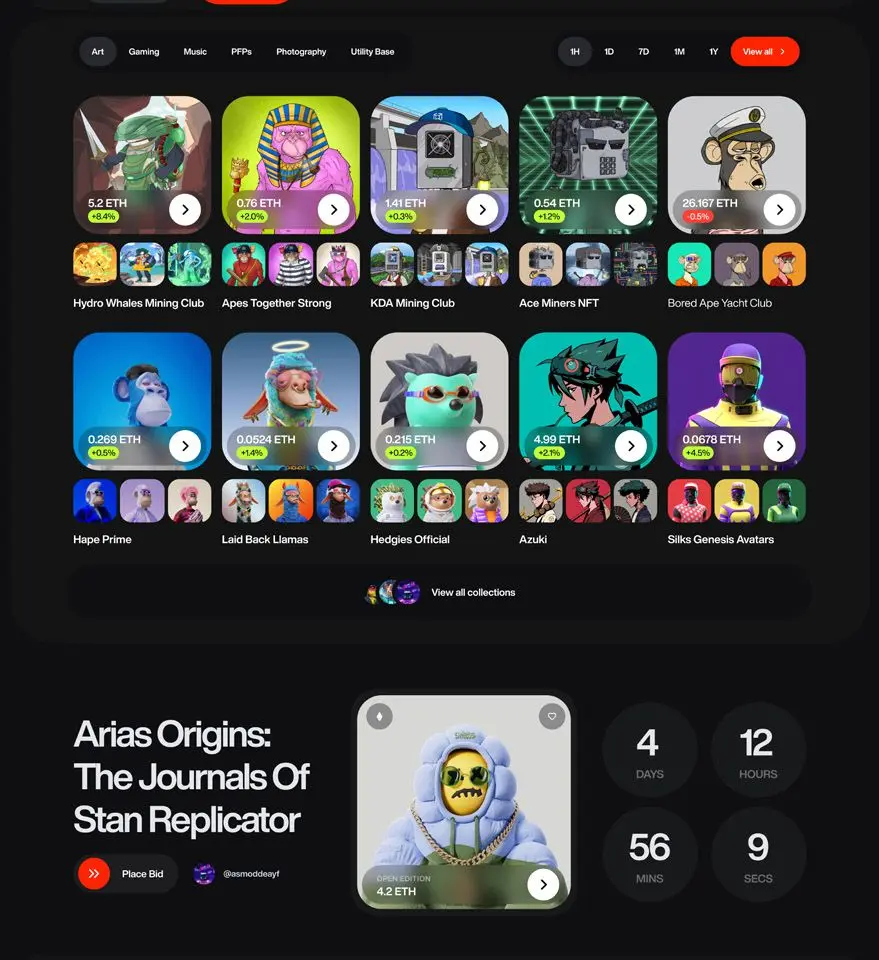
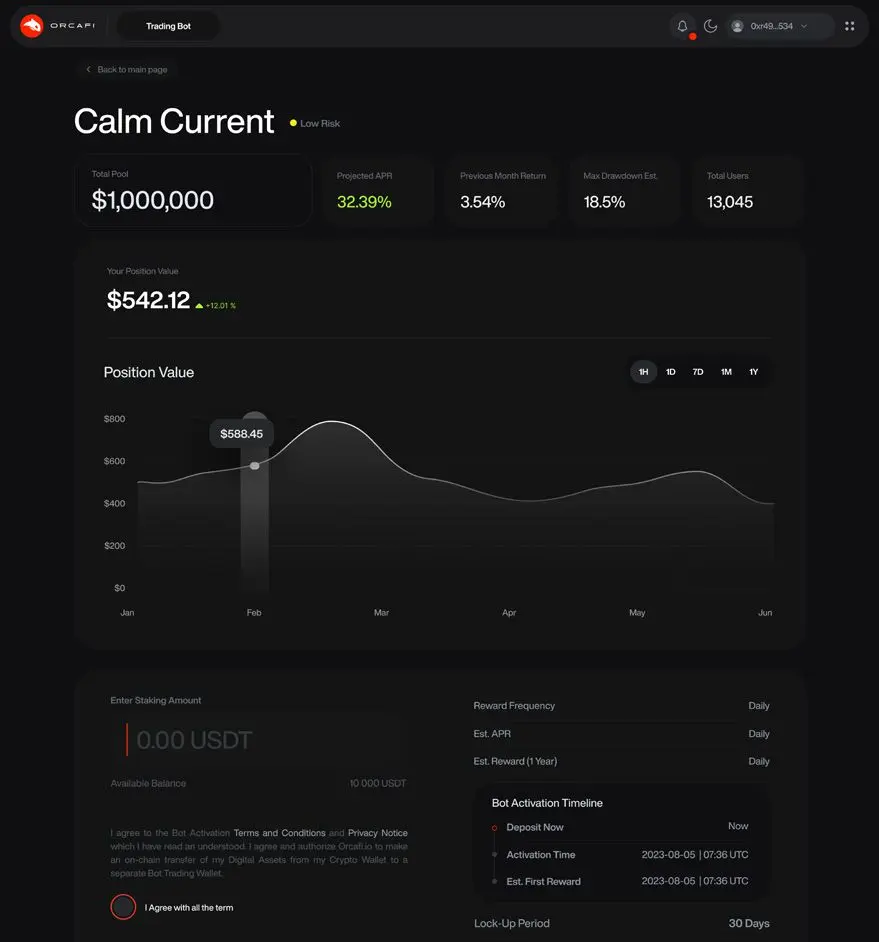
NFT marketplaces are a crowded space, which means the technical bar for shipping one that's actually trustworthy and usable is higher than it looks. OrcaFi needed more than a basic buy-sell interface — the brief covered auctions, real-time bidding, multi-wallet support, advanced filtering across large asset catalogs, and decentralized metadata storage via IPFS. As lead developer on a five-person team, I was responsible for the overall architecture and driving technical decisions across both the smart contract layer and the full-stack web application. The two-month timeline was tight for that scope, so the team had to move fast without cutting corners on the things that actually matter in a financial application — security, gas efficiency, and contract correctness.
Key Features
- Decentralized NFT buying, selling, and peer-to-peer trading powered entirely by smart contracts
- Auction system with real-time bidding and on-chain settlement
- Advanced search and filtering across collections, price ranges, and asset attributes
- Multi-wallet support with MetaMask integration for frictionless Web3 onboarding
- IPFS-based decentralized metadata storage so asset data isn't dependent on a centralized server
- Live price tracking and on-chain state updates reflected in the UI without manual refreshes
Technical Implementation
Challenges & Solutions
Security is the highest-stakes concern in any marketplace handling real asset transfers — a vulnerability in a listing or settlement contract can drain user funds in minutes. We put the contracts through a full audit process and applied hardened Web3 security practices throughout, including reentrancy guards, access control patterns, and careful handling of Ether transfers. Gas costs are a real friction point for NFT marketplace users, especially during high network congestion — we optimized contract storage patterns and minimized redundant on-chain operations to bring average transaction costs down meaningfully. Handling large asset catalogs without performance degradation required thoughtful data-loading architecture on the frontend: rather than fetching entire collections up front, we implemented progressive loading with efficient caching so the marketplace stays responsive as inventory grows. The multi-wallet UX was another area that needed care — connecting a wallet should feel like logging in, not a technical process, so we designed the onboarding flow to be as low-friction as possible while still surfacing the right confirmation steps for actual transactions.
Results & Impact
OrcaFi processed over 10,000 on-chain marketplace transactions after launch, with 5,000+ active users trading across the platform. The 99.8% uptime figure reflects infrastructure stability that matters specifically in a marketplace context — if the platform is down when someone wants to bid on an ending auction, that's not just a bad user experience, it's a trust problem. The 25% gas reduction was a direct quality-of-life improvement for users at every transaction, and in a space where gas costs are a known barrier to adoption, that kind of optimization has real retention value. All of this shipped from a team of five in two months, which required disciplined scoping and clear ownership across the contract, backend, and frontend layers.