













Why CodeHazel
Most Apps Fail Before They're Ever Built Wrong. Here's Where That Usually Happens.
You're Not Sure iOS, Android, or Both
Building native for both platforms doubles your budget. Going cross-platform too early can limit you later. We help you figure out which tradeoff actually fits your users and your runway, before you commit to either.
- Platform strategy based on your actual user data, not a default
- Flutter and React Native for speed, native Swift/Kotlin when performance demands it
- One codebase where it makes sense, two where it doesn’t
Your Last Agency Missed Every Deadline
Slipped launch dates are the norm in this industry, not the exception. Ours run on two-week sprints with a working build you can test at the end of each one, so a delay shows up in week two, not month five.
- Sprint demos every two weeks, no surprises at the end
- Fixed-scope contracts with a real delivery date
- QA running in parallel with development, not after it
Nobody Opens the App a Second Time
Most apps aren't abandoned because of bugs — they're abandoned because the first-run experience didn't hook anyone. We design onboarding and core flows around retention data from day one, not just a pretty screen.
- Onboarding built around your activation metric, not a template
- Push notification and re-engagement strategy included
- Analytics wired in before launch, not bolted on after
What We Do
Mobile Development Services for Every Stage and Every Industry
 MVP Development
MVP Development for Startups
Most startups don't need every feature on day one — they need proof the idea works. We scope a lean, fundable MVP that gets in front of real users fast, then build the rest around what they actually tell you.
 Custom Mobile Apps
Custom Mobile App Development
A generic template gets you to launch faster and then gets in your way the moment you need something it wasn't built for. We build around your actual workflow instead, so it still fits two years in.
 Enterprise Apps
Enterprise Mobile App Development
Enterprise apps come with baggage most consumer apps don't — legacy systems, compliance requirements, a dozen stakeholders with opinions. We've built around all three without turning the project into a year-long slog.
 Cross-Platform
Cross-Platform App Development
One codebase, both app stores, a fraction of the maintenance overhead. Flutter and React Native have gotten good enough that most apps don't need to go fully native anymore — we'll tell you honestly if yours is the exception.
 Native iOS & Android
Native iOS & Android App Development
For apps leaning hard on camera, AR, background processing, or raw performance, native still wins. We build in Swift and Kotlin when the use case actually calls for it.
 Taxi & On-Demand
Taxi & On-Demand Booking App Development
Rider app, driver app, dispatch dashboard, live GPS tracking, in-app payments — the four-sided marketplace that makes taxi and delivery apps genuinely hard to build well. We've shipped this stack enough times to skip the expensive mistakes.
 Food & Delivery
Food Delivery & On-Demand App Development
Ordering, live tracking, restaurant dashboards, delivery logistics — built as one connected system instead of separate apps duct-taped together after the fact.
 Healthcare
Healthcare App Development
HIPAA compliance isn't optional, and patient data handling isn't a place to cut corners. We build telehealth, appointment, and patient-record apps with that baked in from the first sprint.
 Fitness & Wellness
Fitness & Wellness App Development
Workout tracking, wearable syncing, subscription billing, community features — the parts that turn a fitness app from "downloaded once" into something people actually pay for monthly.
 Real Estate
Real Estate App Development
Property listings, virtual tours, mortgage calculators, and agent-lead tools built around how people actually shop for property now, not how listings worked ten years ago.
 E-Learning
E-Learning App Development
Course delivery, progress tracking, live classes, certification — built to keep students engaged past lesson one, which is where most learning apps quietly lose people.
 E-Commerce
E-Commerce App Development
Product catalogs, checkout, and payments that don't fall apart the moment a sale drives real traffic — built to convert browsers into buyers, not just look good in a demo.
Have an Idea, a Broken App, or a Product Ready to Scale? Start Here.
Not every project starts from zero. Tell us where you actually are, and we'll pick up from that point instead of making you start the conversation over.
A Process Built Around Shipping On Time, Not Just Shipping
We figure out who's actually going to use this app and why they'd open it a second time, before we sketch a single screen. Half of what gets cut from an MVP happens right here.
Wireframes turn into a clickable prototype you can hand to five people and watch them use. Catching a confusing flow here costs an afternoon. Catching it after launch costs your app store rating.
Two-week sprints, a working build at the end of each one, QA testing alongside development instead of a separate phase tacked on afterward. You're not waiting until month five to see if this is going well.
We handle App Store and Play Store submission — which has its own rejection rules most teams learn the hard way — then stick around for the bug reports and update requests that show up once real users get their hands on it.
Built to Handle Real Users, Not Just a Demo Day
From Idea to App-Store-Ready, Faster Than You'd Expect
Design, backend, frontend, and QA run in parallel instead of handing off one at a time. Most MVPs go from kickoff to a submitted app store build in 8 to 10 weeks.
Tested on Real Devices, Not Just Simulators
Every build gets tested across actual iOS and Android devices, not just an emulator that never shows you the weird edge cases real phones do.
Architecture That Doesn't Choke at 10,000 Users
An app that works fine for your first 50 testers can fall over completely at scale. We build the backend for the user count you're planning for, not just the one you're launching with.
Still Answering the Phone After Launch
OS updates break things. App stores change their rules. Our support plans catch that before your users are the ones reporting it in a one-star review.
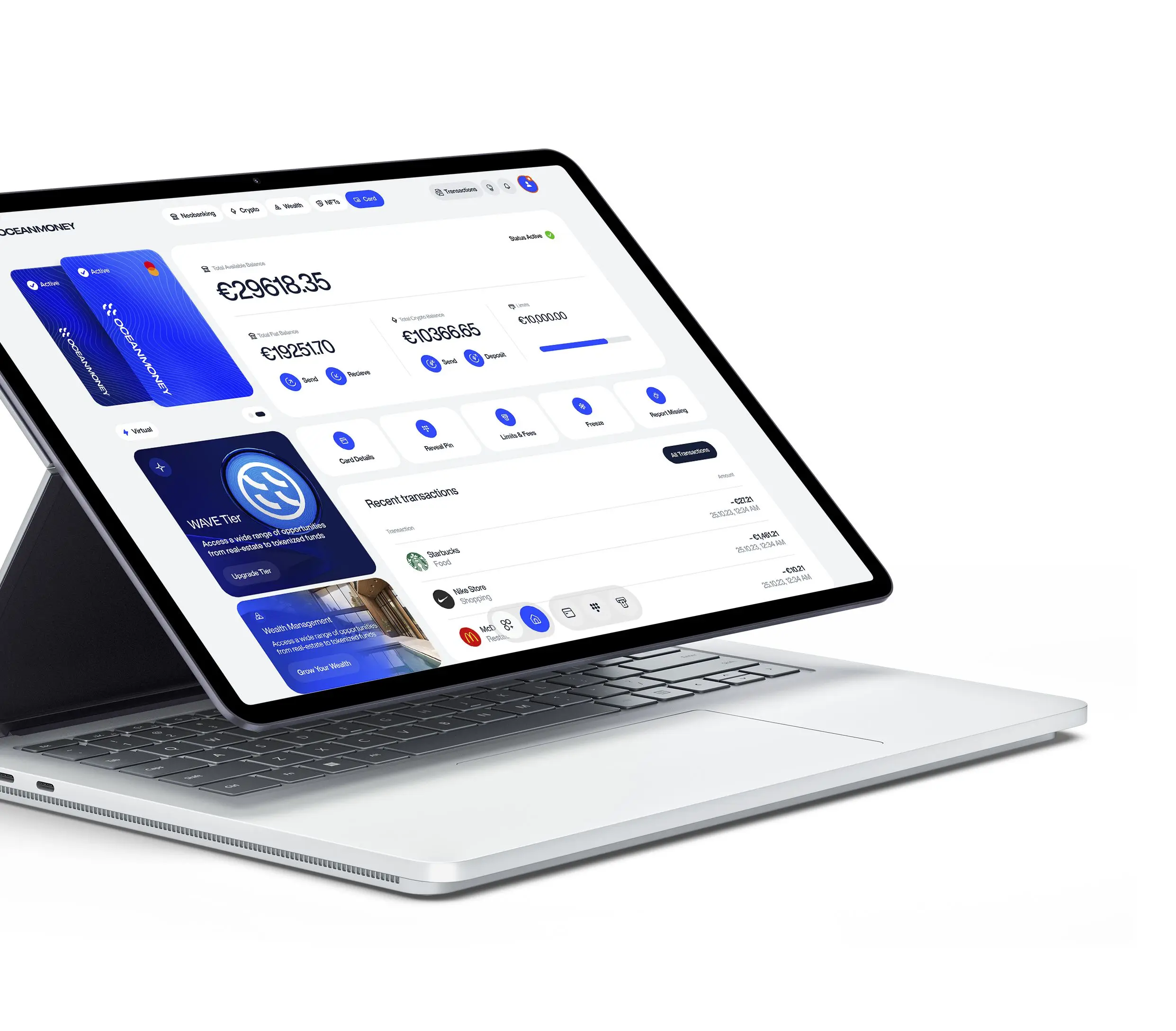
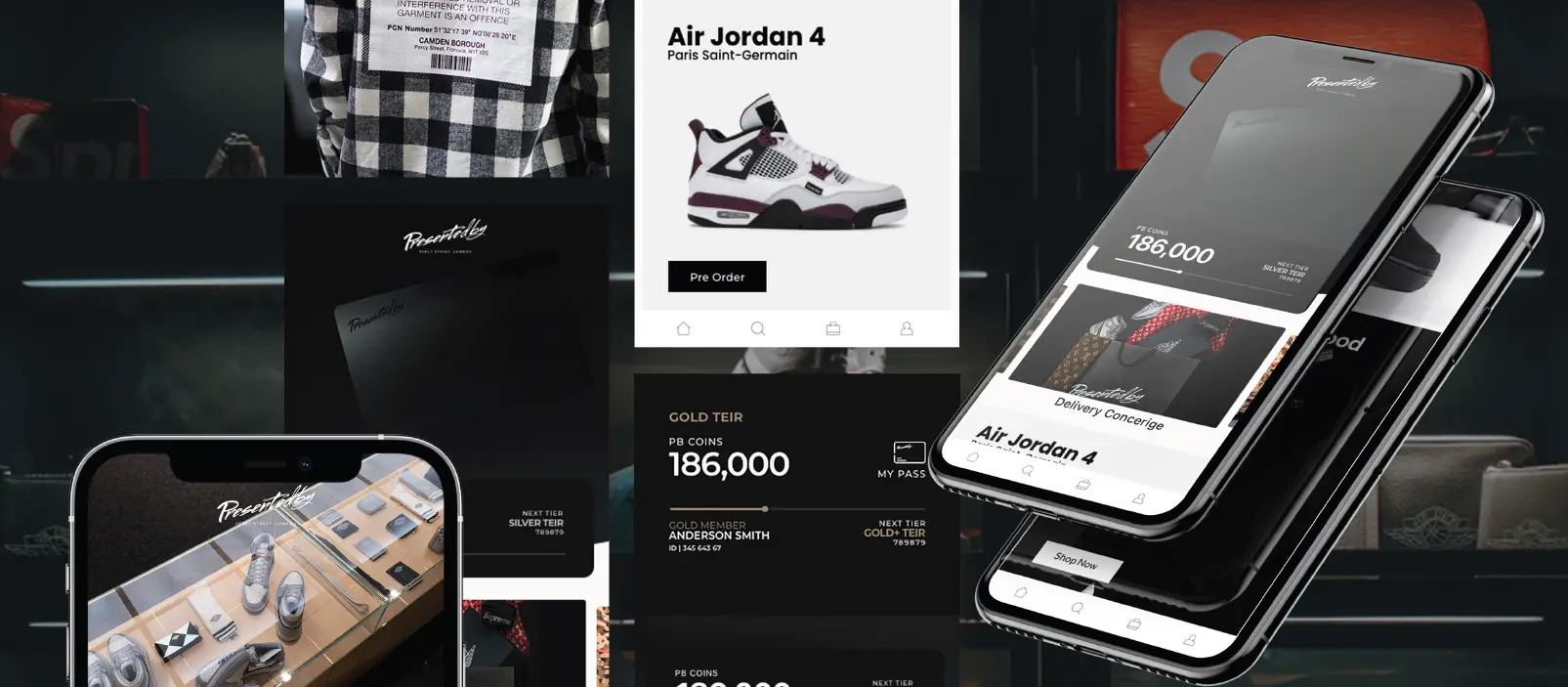
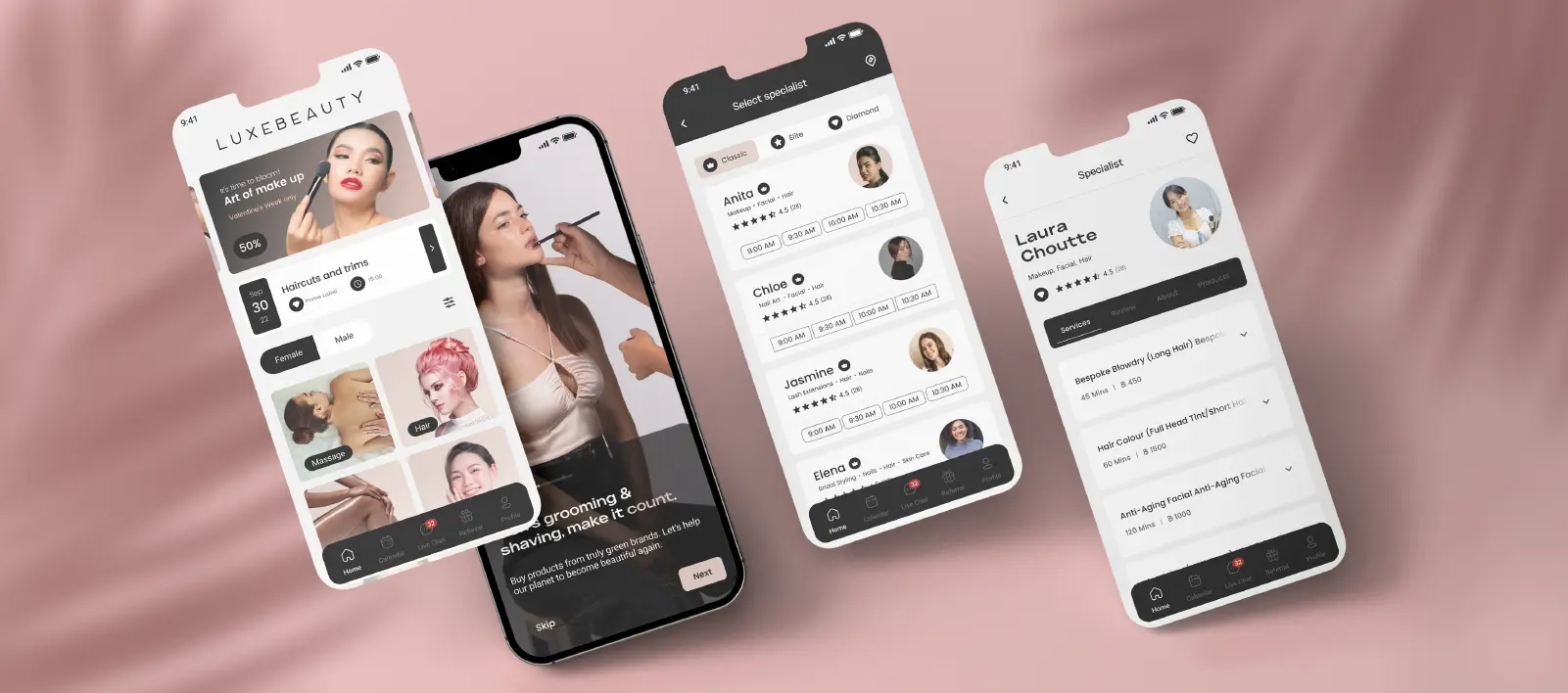
Mobile Tech Chosen for the App You're Actually Building
Native when performance demands it, cross-platform when speed to market matters more — we pick the stack based on your product, not our comfort zone.
We don't push you toward the framework we know best. We build in the one your app needs.
One codebase, both app stores, faster iteration cycles.


Frequently Asked Questions
The questions we get asked most before a project even starts — cost, timeline, and what happens once you launch.
How much does mobile app development cost?
A simple MVP with core features usually runs $499 to $40,000. A more complex app with backend integrations, payments, or real-time features can land between $40,000 and $120,000, and enterprise builds go higher depending on scope. We'll give you a fixed number after understanding what you actually need, not a generic range.
Cost breakdown:
- Simple MVP: $499 – $40,000
- Mid-complexity app (payments, real-time features): $40,000 – $120,000
- Enterprise app: $120,000+
How long does it take to build a mobile app?
Most MVPs are ready to submit to the app stores in 8 to 12 weeks. A full-featured app usually takes 4 to 6 months. The timeline depends less on the platform and more on how many integrations and edge cases the app actually needs.
Timeline breakdown:
- Weeks 1-2: Discovery, UX design & technical planning
- Weeks 3-8: Core development & sprint builds
- Weeks 9-10: QA, device testing & bug fixes
- Weeks 11-12: App store submission & launch prep
Should I build native or cross-platform?
If your app leans heavily on camera features, AR, or background processing, native usually wins. If you're validating an idea or need to launch on both platforms fast without doubling your budget, Flutter or React Native is almost always the smarter call. We'll tell you which one fits before we quote a number, not after.
Quick way to decide:
- Choose native if: heavy hardware use, top-tier performance is critical
- Choose cross-platform if: speed to market and budget matter more
- Either way: architecture should still allow switching later
Do you help with App Store and Play Store submission?
Yes, and it's more involved than most first-time founders expect. Apple in particular rejects a meaningful share of first submissions over guideline issues that have nothing to do with code quality. We handle the submission, respond to review feedback, and get it resolved without burning your launch date.
What's included:
- App Store & Play Store listing setup
- Compliance review before submission
- Handling rejections & resubmissions
Can you build an MVP if I only have an idea, no spec or design?
That's actually the most common starting point we see. Our discovery phase turns a rough idea into a scoped feature list and wireframes before any development starts, so you're not paying developers to figure out what to build.
What discovery gives you:
- A prioritized feature list (what's MVP vs. what's phase 2)
- Wireframes and a clickable prototype
- A fixed cost and timeline before development begins
What happens after my app launches?
Launch is when the real feedback starts — crash reports, OS updates, feature requests you didn't anticipate. Our support plans cover monitoring, bug fixes, and OS compatibility updates so the app doesn't quietly degrade over the following year.
Post-launch support includes:
- Crash & performance monitoring
- iOS/Android OS update compatibility
- Monthly bug fixes & minor feature updates
Didn't Find Your Answer?
Every app is a little different, and a FAQ can only go so deep. Tell our team what you're actually trying to build — we'll give you a straight answer, not a canned one.