Project Overview
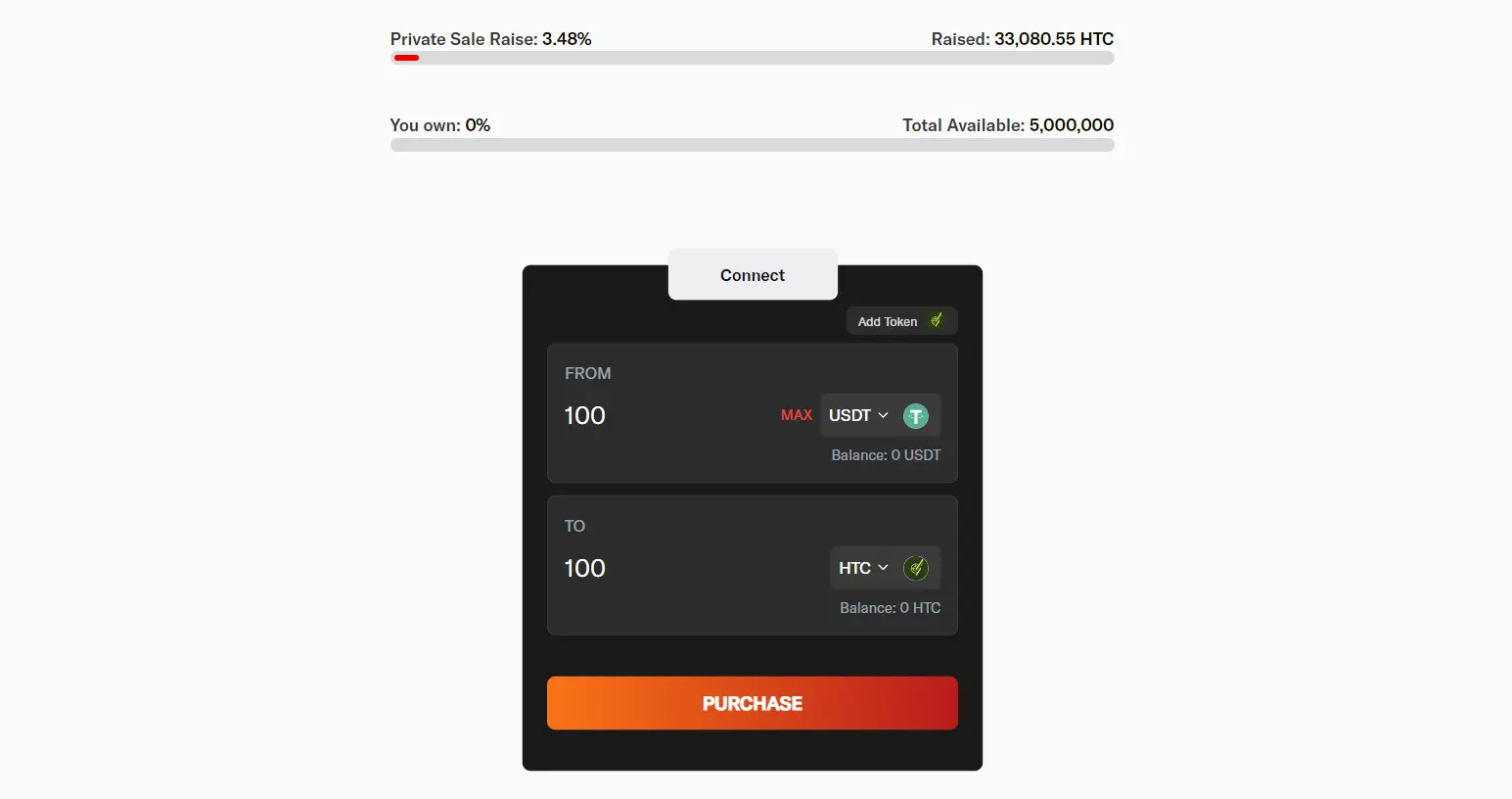
HitTheCircle needed more than just a token — they needed a token that could do real work inside their gaming and entertainment ecosystem. The brief covered fundraising, staking rewards, and community governance, which meant the tokenomics design mattered just as much as the smart contract itself. A poorly designed token supply can undermine everything else, no matter how clean the code is. I handled the project solo, from modeling the supply mechanics and vesting schedules to writing and deploying the contracts using OpenZeppelin standards and Hardhat. The goal was a token that could raise capital in the short term while staying sustainable and credible for the community long term.
Key Features
- ERC-20 compliant token serving as utility, governance, and reward currency
- On-chain governance voting system giving token holders real decision-making power
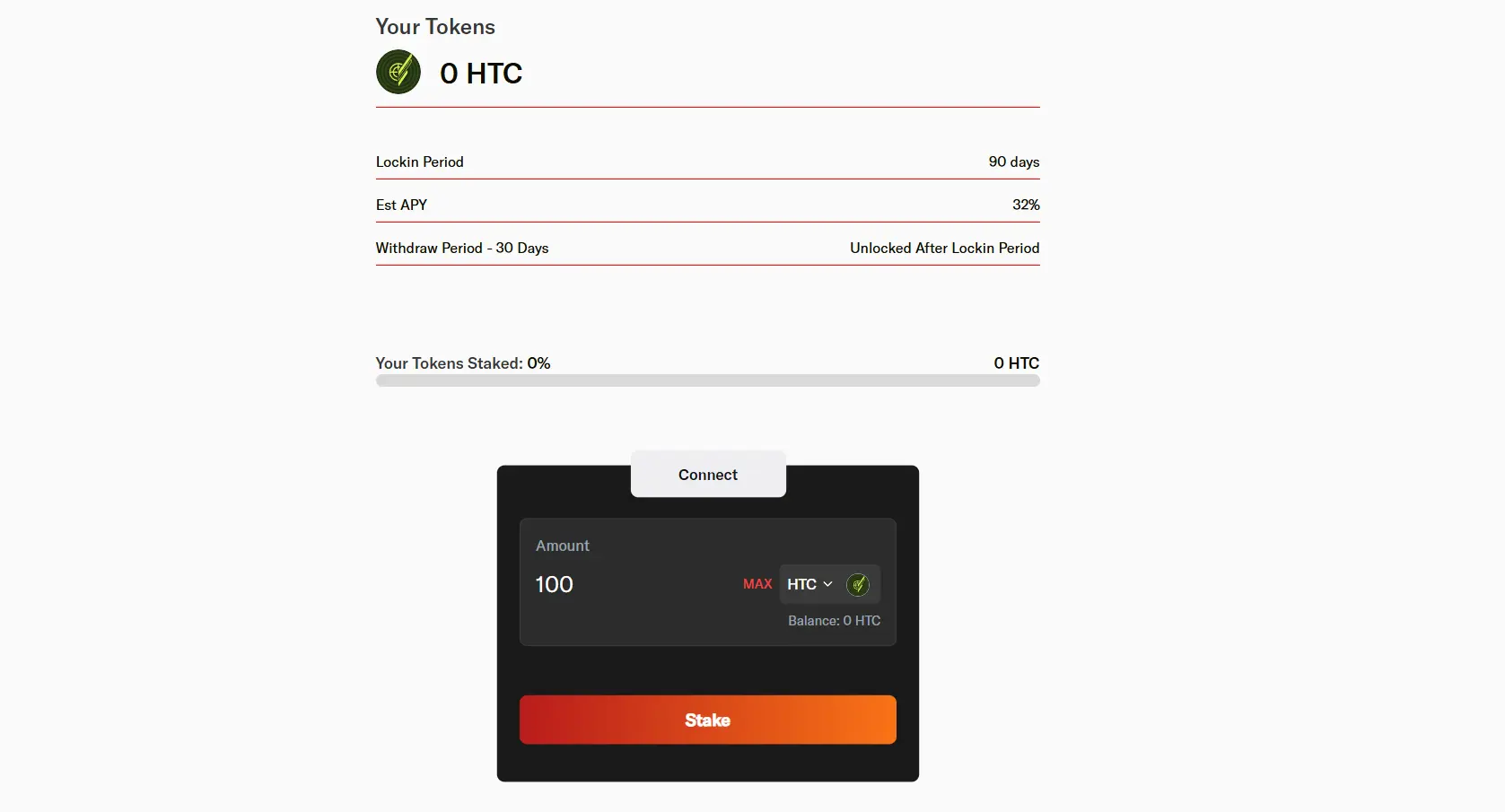
- Staking and rewards mechanism to incentivize long-term holding
- Deflationary tokenomics to apply consistent buy pressure on circulating supply
- Multi-signature wallet integration for secure treasury and fund management
- Token vesting schedules to ensure structured, fair distribution across stakeholders
Technical Implementation
The token contract was written in Solidity and built on top of OpenZeppelin's audited contract libraries — the right call for any token that's handling real fundraising capital, since rolling your own base contracts introduces unnecessary risk. Hardhat was used for the development, testing, and deployment pipeline, giving full control over test coverage before anything touched mainnet. Web3.js handled the integration layer between the token contracts and HitTheCircle's existing platform infrastructure. Vesting and distribution logic was automated on-chain so token allocations to team members, investors, and community rewards followed a pre-defined schedule without manual intervention. Multi-sig wallet controls were added for treasury management so no single key could move funds unilaterally.
Challenges & Solutions
Tokenomics design is where most token projects go wrong — either the supply is too inflationary and holders have no reason to stay, or distribution is uneven enough that early insiders can dump and hurt the community. I spent a meaningful portion of the project timeline modeling supply mechanics before writing a single line of contract code, stress-testing deflationary scenarios against projected growth curves. Security was non-negotiable given the fundraising context — the contracts follow OpenZeppelin's audited standards throughout, and multi-signature controls mean treasury operations require multiple approvals rather than trusting a single wallet. Integrating the token with the existing platform required building clean Web3 API interfaces so the platform could read balances, trigger staking events, and surface governance proposals without tight coupling to the contract internals. Automated vesting reduced distribution risk significantly — instead of manual token releases that could be delayed or disputed, the contract handles it based on pre-set schedules.
Results & Impact
The fundraising initiative raised over $500K through the token launch, with more than 10,000 holders onboarded into the ecosystem — numbers that reflect both the fundraising structure and community confidence in the token design. Through the entire launch and post-launch period, there were zero security incidents reported, which in a fundraising context where contracts are handling real capital is the result that matters most. Community governance went live alongside the token, giving holders on-chain voting participation from day one rather than as a future roadmap promise.